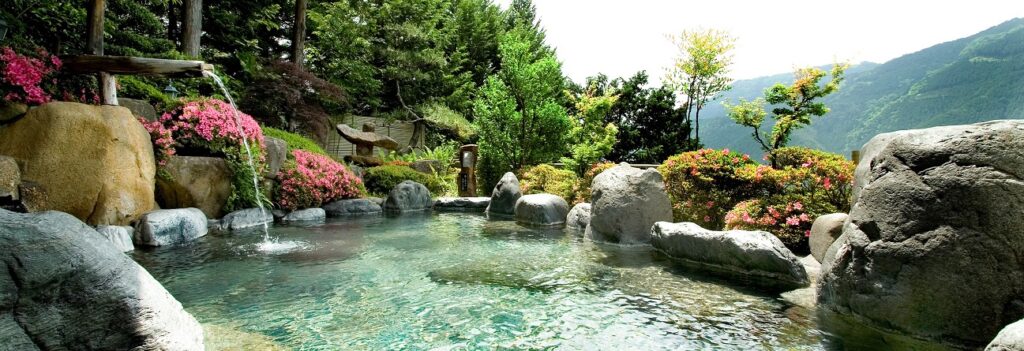
In the shadowed folds of Carbon Canyon, nestled between the rolling hills of Orange County, California, lies a place where the earth whispers secrets through bubbling waters. Long before the clamor of modern life, the Tongva people—native stewards of this land—called it “Panuukwa,” a sacred site where warm mineral springs offered healing and solace. For centuries, they soaked in the naturally heated pools, rich with sulfur, magnesium, and calcium, believing the waters held the power to mend body and spirit. The springs flowed quietly, hidden in the canyon’s embrace, until the winds of change swept through in the late 19th century.
It was 1893 when a petroleum driller named B.F. Clark, chasing black gold in the Brea-Olinda oil fields, struck something far more precious. Instead of oil, his drill bit pierced an underground vein, unleashing a geyser of warm mineral water—43°C hot, gushing 60,000 gallons a day. The locals marveled at the “artesian well,” naming it “La Vida,” Spanish for “life,” as its waters promised vitality and cure for ailments like rheumatism and skin woes. What Clark unearthed wasn’t new to the land; it was an ancient gift, now ready for a new era.
By 1915, the springs had blossomed into a rustic resort. Mules and workers carved a winding road through the canyon, allowing visitors from Los Angeles—just 45 minutes away—to escape the city’s hustle. A two-story wooden hotel rose, flanked by private bathhouses, a restaurant, and outdoor pools fed by the steaming waters. Guests lounged in the mineral baths, dined on simple fare, and danced under the stars, drawn by ads touting “Nature’s Own Cure.”
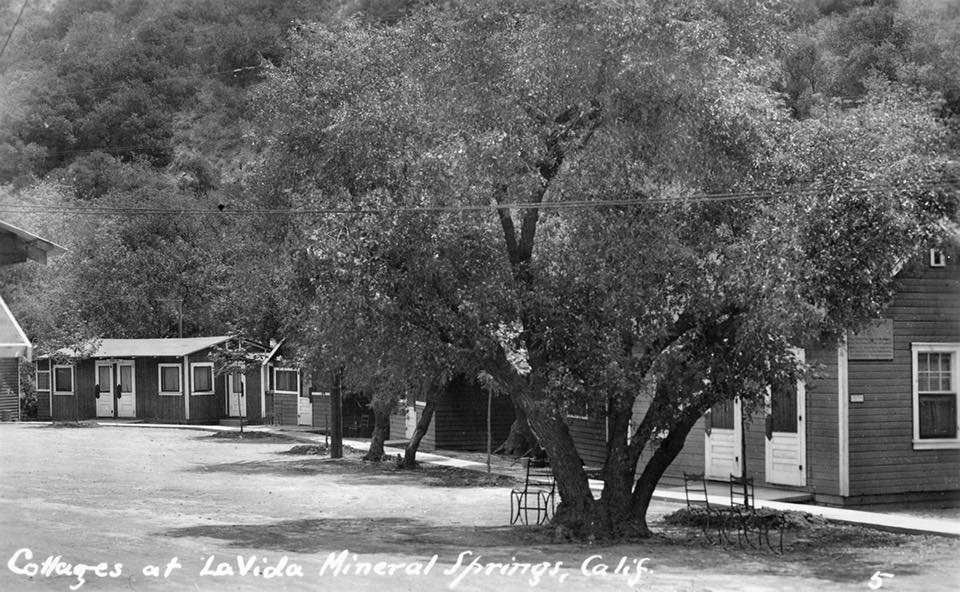
The Roaring Twenties brought expansion. In 1924, new owners like William N. Miller petitioned Orange County for a dance hall, turning La Vida into a lively hotspot. Even during Prohibition (1920–1933), it thrived as a “dry” retreat, where the waters were the real spirit. By the 1930s, an Olympic-sized mineral pool sparkled, and 50 motel units dotted the grounds. Hollywood stars, politicians, and weary souls flocked here, soaking in pools that promised rejuvenation. Postcards captured the idyll: families picnicking amid palm trees, the canyon echoing with laughter.
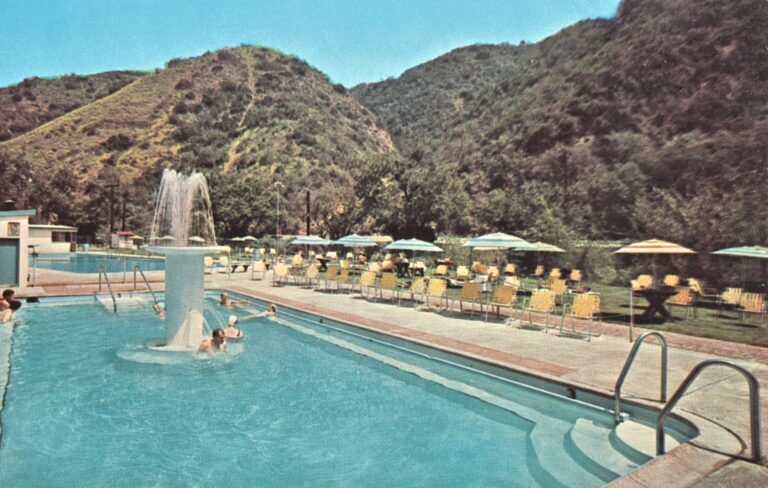
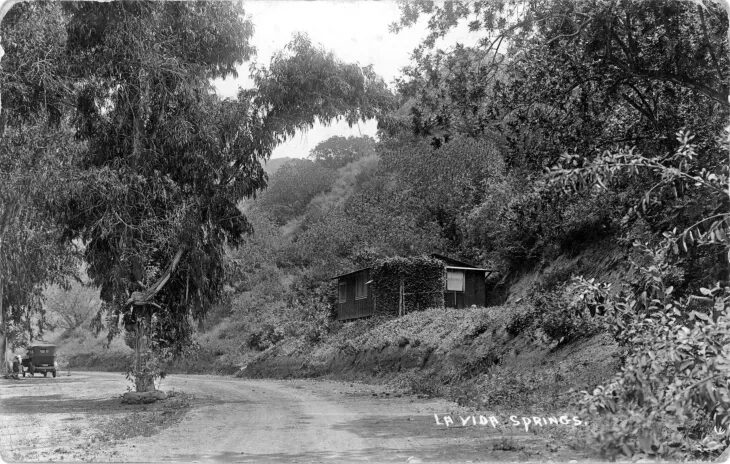
Through the mid-20th century, La Vida shone as Orange County’s hidden gem. In the 1970s, a Japanese immigrant family, the Hayashis, took over, infusing it with Eastern flair and maintaining its 65-year legacy as a “little Las Vegas in Carbon Canyon.” But paradise proved fragile. In December 1988, a fire erupted in the hotel’s kitchen, likely from an electrical fault. Flames devoured the wooden structure in minutes, sparing the pools but gutting the heart of the resort. Guests fled in towels, and the once-vibrant hotel lay in ruins.
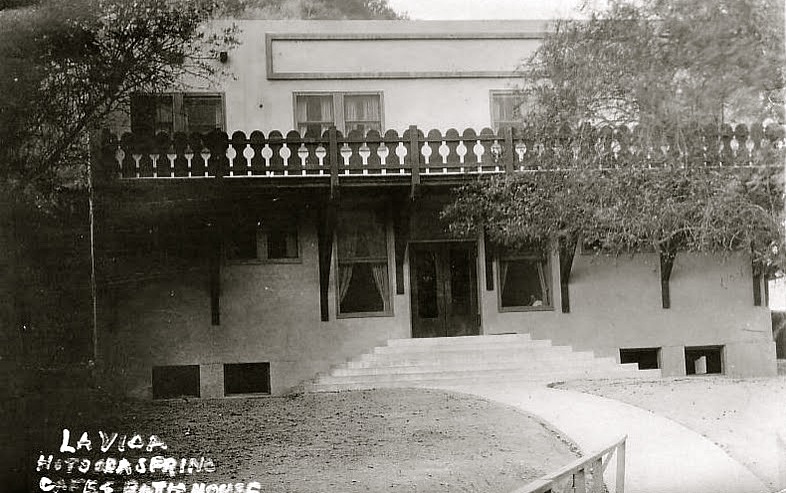
The 1990s brought further decline. Groundwater depletion reduced the springs to a trickle, and by 1995, the motel shuttered. In 2008, the Freeway Complex wildfire scorched the remnants, turning the site into a charred ghost town—overgrown with weeds, tagged with graffiti, a forgotten relic.
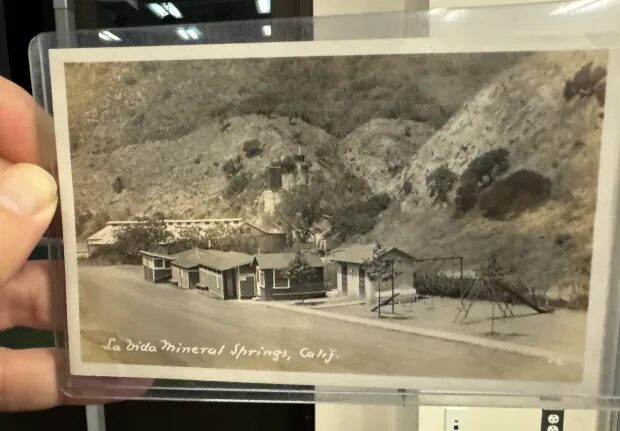
Yet, like the waters that still bubble beneath, La Vida’s story endures. Local historians recount its tales in lectures, evoking memories of moonlit soaks and Prohibition-era dances. In July 2025, a visionary local developer acquired the land , pledging to revive it as the “New La Vida Onsen Resort”—honoring its legacy with Japanese-inspired cabins and exclusive mineral baths. As of December 2025, plans whisper of a rebirth, where ancient springs meet modern serenity, ensuring La Vida flows on for generations.